
You Don’t Have to Live with Bladder Leaks
By: Boone County
by Angela Renner, PT
Are you having issues with bladder leaks? Know this: you are not alone—and you do not have to live with it.
Incontinence is any involuntary loss of urine. According to the National Association for Incontinence, more than 80 million Americans experience some type of bladder condition. While 75% of women over age 65 deal with some type of incontinence, nearly half of those with bladder issues are under 50. Men are affected too. This is common—but it is treatable.
There are several types of incontinence. Stress incontinence happens with coughing, sneezing, laughing, jumping, or lifting. Urge incontinence (overactive bladder) is a sudden, intense need to urinate that can lead to leakage before reaching the bathroom. Many people experience a combination of both, known as mixed incontinence.
Bladder leakage can have many causes. Weakness in the pelvic floor muscles, pregnancy and childbirth, menopause, pelvic surgeries such as hysterectomy or prostate surgery, or neurologic conditions like Parkinson’s disease, multiple sclerosis, or spinal cord injury can all play a role. Everyday habits matter too. Caffeine and alcohol may irritate the bladder. Not drinking enough water can make urine more concentrated and bothersome. Going “just in case” too often can make the bladder more sensitive. Even constipation can contribute.
Although more common with age, incontinence is not a normal part of aging. It can impact confidence, limit social activities, and quietly reduce quality of life. Too often, people adjust their routines around the problem instead of seeking help.
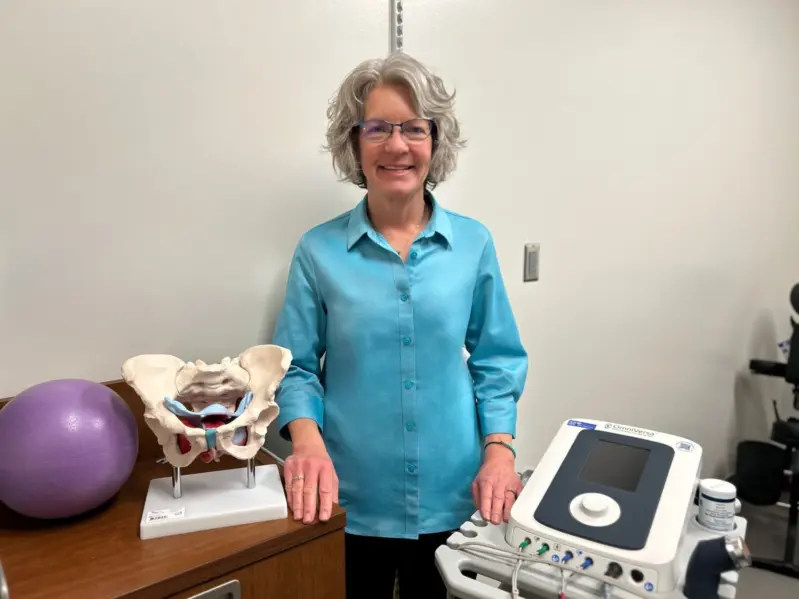
The good news? Treatment works. The first step is a proper diagnosis with your provider. Depending on your needs, your provider may recommend seeing a physical therapist specially trained in treating incontinence. Pelvic floor physical therapy can help strengthen muscles, improve coordination, provide education, and teach practical strategies that may significantly reduce—or even eliminate—symptoms.
At Boone County Health Center, we are here to help. Don’t let embarrassment hold you back from care that can improve your quality of life. Start with a visit to your Primary Care Provider and take the first step toward confidence, control, and relief.